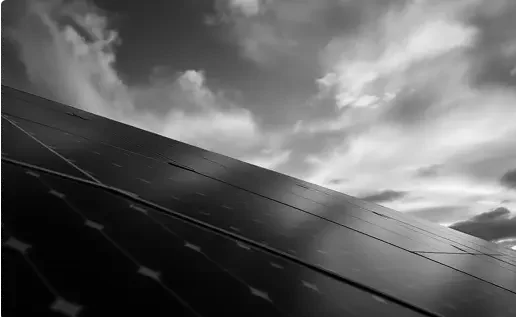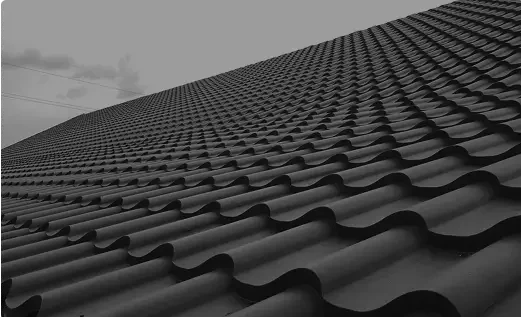

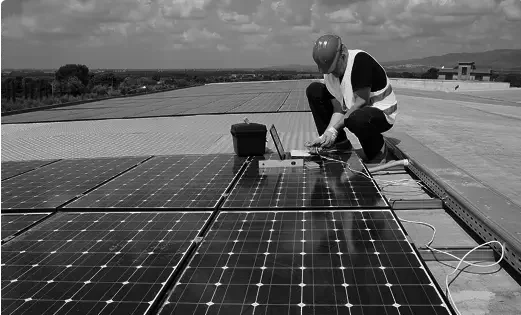
However, one critical factor is often overlooked during the planning process: the condition of the existing roof. Installing solar panels on a roof that is nearing the end of its service life can create unnecessary costs, operational challenges, and future disruptions.
Before moving forward with any solar project, property owners should evaluate the roof itself to ensure the investment is built on a reliable foundation.
Solar and Roofing Systems Work Together
A commercial roof and solar system are closely connected for decades after installation. Solar panels are designed to remain in service for many years, which means the roof beneath them must be capable of supporting that same lifespan.
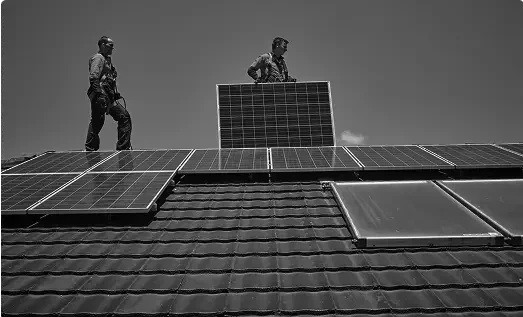
If a roof requires significant repairs or replacement shortly after solar installation, the panels may need to be temporarily removed and reinstalled. This additional work can increase project costs and disrupt normal building operations.
Evaluating roof condition before installation helps avoid these avoidable expenses.
The Risks of Installing Solar on an Aging Roof
An older roofing system may already have hidden weaknesses that are not immediately visible from routine inspections. Existing moisture intrusion, deteriorating materials, or structural concerns can become more difficult to address once solar equipment is installed.
Property owners who skip a roof assessment may face unexpected challenges such as increased maintenance costs, premature roof replacement needs, and reduced return on investment from the solar project.
Planning ahead allows these issues to be identified before they become larger problems.
Maximizing the Return on Solar Investments
Solar projects represent a significant capital investment. To maximize long-term value, the supporting roof system should be capable of delivering reliable performance throughout the solar system’s expected lifespan.
When roofing and solar planning occur together, owners can often coordinate improvements more efficiently. This approach helps create a stronger long-term asset strategy while reducing the likelihood of future disruptions.
A well-timed roof upgrade may provide greater value than installing solar on a roof that will soon require replacement.
Roof Assessments Improve Project Planning
A professional roof assessment provides valuable information regarding current condition, remaining service life, structural considerations, and maintenance requirements.


Coordinating Roofing and Solar for Long-Term Success
The most successful commercial solar projects are often those that begin with a comprehensive roof evaluation. Rather than treating roofing and solar as separate projects, many owners benefit from evaluating both systems together.
This integrated approach helps reduce future costs, improve project efficiency, and support stronger long-term asset performance.
By ensuring the roof is prepared before solar installation begins, property owners can better protect their investment while maximizing the long-term benefits of renewable energy.
How We Help Property Owners Plan Smarter Projects
Proper planning can help commercial property owners avoid unnecessary expenses while improving long-term building performance. Evaluating roof condition before solar installation creates a stronger foundation for future energy savings and asset preservation.
Our Process Includes:
- Comprehensive roof condition assessments
- Remaining roof life evaluations
- Solar readiness reviews
- Structural and performance analysis
- Repair versus replacement recommendations
- Long-term asset preservation planning