

When planned carefully, capital improvements may provide opportunities to align building investments with broader financial objectives.
Understanding how improvements fit into long-term tax planning can help property owners make more informed decisions while supporting asset growth and operational performance.
Why Tax Planning Should Be Part of Capital Improvement Decisions
Many commercial improvements require significant investment. Roofing projects, HVAC replacements, energy upgrades, and building modernization initiatives often represent major capital expenditures.
Rather than viewing these projects solely as maintenance expenses, owners should consider how improvement timing and project structure may affect financial planning and reporting.
Early coordination between property owners, financial advisors, and project teams can create opportunities for more strategic decision-making.
Capital Improvements Differ from Routine Repairs
Not every building expense is treated the same way.
Routine repairs generally focus on restoring existing functionality, while capital improvements typically enhance, replace, or extend the useful life of a building component.
Timing Improvements Can Improve Financial Flexibility
The timing of a project can significantly impact budgeting and long-term financial planning.
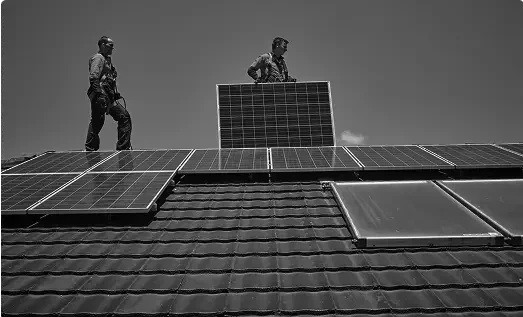
Energy Projects May Offer Additional Financial Benefits
Many energy-focused improvements provide value beyond utility savings.
Evaluating these projects holistically often produces better long-term outcomes than focusing solely on installation costs.


Long-Term Planning Creates Better Results
Commercial improvements should not be viewed as isolated projects. The most successful property owners typically develop long-term capital plans that coordinate maintenance, modernization, energy initiatives, and future building needs.
Building Improvements as Part of a Larger Strategy
When improvements are integrated into a broader financial plan, they can deliver value beyond operational upgrades alone.
Careful planning allows owners to improve building performance, preserve asset value, and align capital investments with long-term business objectives.
By considering tax planning alongside infrastructure needs, commercial property owners can make more strategic decisions that support both immediate and future goals.
Our Process Includes:
- Capital improvement evaluations
- Building condition assessments
- Energy project planning
- Lifecycle cost analysis
- Infrastructure modernization strategies
- Long-term asset management recommendations