

HVAC
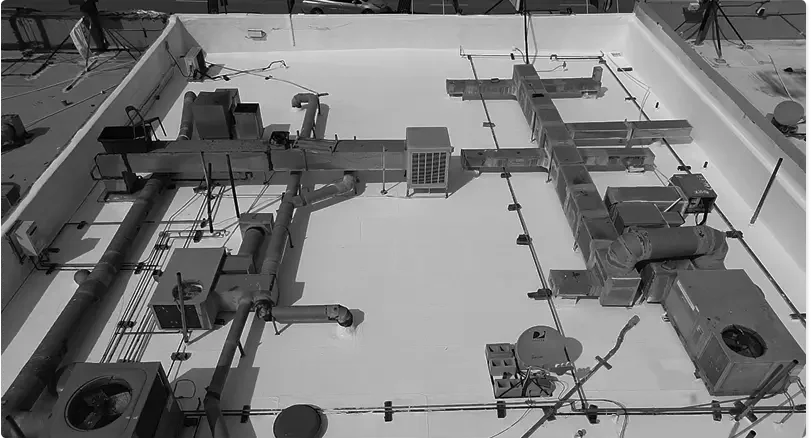
COMMERCIAL HVAC
HVAC installed by the firm that installs your roof. That is the difference.
RTU, VRF, and full-system retrofits. Bundled with roofing and solar under a single UCC-1 equipment loan, with the depreciation schedule coordinated across all three components — and curbs, flashing, and structural penetrations detailed by the same team that warranties the roof.
HVAC is the trade most commercial owners under-leverage on the tax stack.
Most commercial HVAC replacements happen in isolation. The unit fails or ages out, a vendor is called, and a check is written for $40,000 to $400,000. The depreciation that property would generate—if structured correctly alongside other capital improvements—is left on the table.
We bring HVAC into the bundled capital stack. When the building is also replacing a roof or installing solar, the HVAC depreciation joins the same coordinated tax structure. Section 179 expensing applies to qualifying commercial HVAC under TCJA. The 179D Energy Efficient Commercial Buildings deduction can apply when efficiency thresholds are met. MACRS depreciation is coordinated across the bundled assets. We model the structure with the client’s CPA before the proposal closes.
The unit gets replaced anyway. The financial structure around it is what changes the outcome. That, plus the install discipline of a roofing firm, is the difference.
WHY OUR HVAC INSTALLS DON’T LEAK
Most commercial roof leaks start at HVAC penetrations.
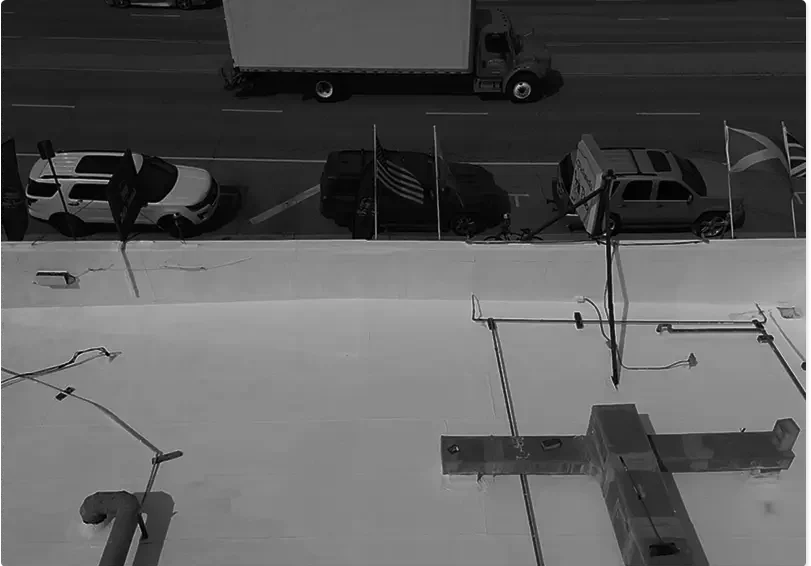
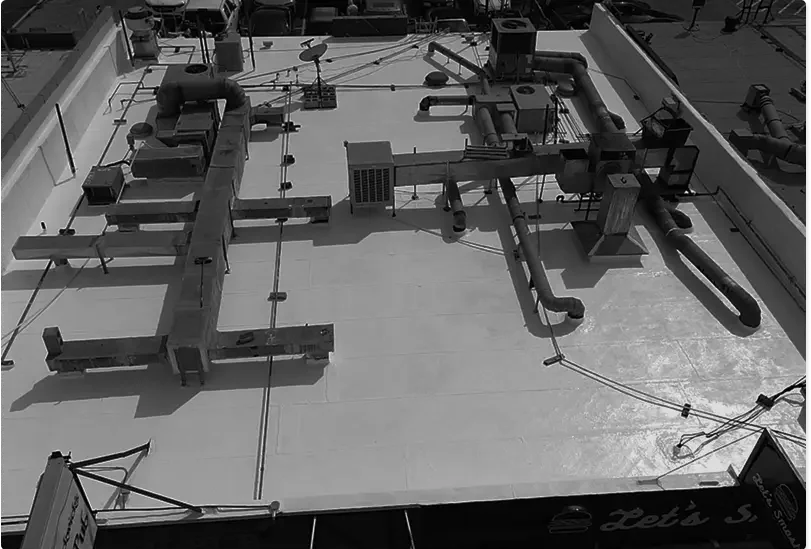
Talk to any commercial property manager about roof failures, and you’ll hear the same pattern: leaks at curbs, leaks at penetrations, leaks at drains, and leaks at flashing details. Most of those failures originated when an HVAC contractor cut into the roof to set a unit, and the cut was not detailed back to the manufacturer’s warranty specification. The HVAC contractor isn’t a roofer. The roofer wasn’t there.
We are the roofer. When we install or replace HVAC equipment on a commercial roof, the curbs, the flashing, the seam details, the drain proximity, and the structural penetrations are all detailed by the same team that warranties the roof. Roof manufacturer warranties stay intact. Structural load is verified against the actual roof we engineered or refurbished. Sequencing of HVAC and roofing scopes is on a single schedule.
When something goes wrong in a building two years post-install—a leak at a unit, a structural concern, a warranty question—the property owner does not arbitrate between two contractors pointing at each other. There is one firm. The accountability is undivided. That alone is worth specifying for.
Curbs, penetrations, and seam details engineered to the roof manufacturer’s warranty spec on every install.
Roof structural capacity is verified before the equipment is specified, not after the unit is set.
Roof manufacturer warranties remain intact. We document compliance and file with the manufacturer’s warranty registration on every project.
Roof and HVAC scopes run on a single project schedule. Tear-off, recover, and HVAC equipment placement are sequenced by the same project manager.
If anything goes wrong post-install — leak, structural concern, warranty question — there is one firm to call. No arbitration between contractors.
Choose the scope.We structure the deal.
Choose the services you need, and we’ll structure a strategic partnership designed to deliver scalable growth and measurable results.
- 01
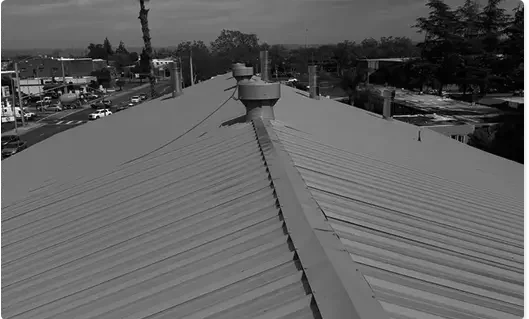
- Replacement
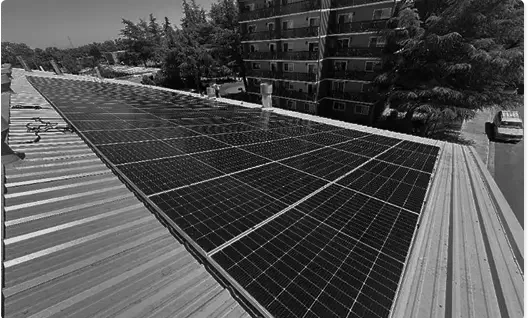
Direct replacement of failing or aged-out units.
RTU, VRF, split systems — manufacturer-backed equipment with documented commissioning, A2L-compliant where applicable.
- 02
- Retrofit
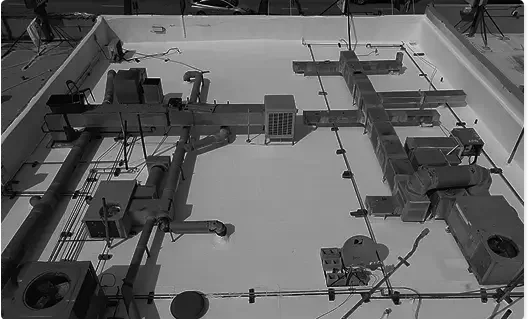
Performance retrofits and Title 24 compliance.
Variable-frequency drives, controls upgrades, energy recovery, refrigerant transition retrofits — measured against pre-retrofit baseline.
- 03
- Bundled stack
HVAC bundled with roofing and solar Solutions.
Single UCC-1 financing structure, coordinated depreciation across all three components, single project schedule, single accountability.
- The 2025 Refrigerant Transition
R-410A is being phased out. Most commercial HVAC contractors aren't ready.
Federal AIM Act regulations and EPA rules are phasing out high-GWP refrigerants—including R-410A, the workhorse refrigerant in most commercial RTU and VRF systems for the past two decades. Manufacturers transitioned current product lines to A2L refrigerants (R-454B and R-32) in 2024 and 2025. New equipment installed today must comply.
A2L refrigerants are mildly flammable. Codes governing leak detection, system pressure relief, charge limits, and component compatibility have changed. Installation, brazing, and commissioning practices are not interchangeable with R-410A. A contractor unfamiliar with the new code regime will install a system that fails inspection, fails commissioning, or fails years in.
Capstone’s technicians are factory-trained and certified on A2L systems across the manufacturers we install. We carry the leak-detection and pressure-relief equipment the new code requires. We commission to A2L spec.
If you are replacing or retrofitting commercial HVAC in 2025 or later, the equipment is A2L. The contractor must be trained for it. We are. Most aren’t.
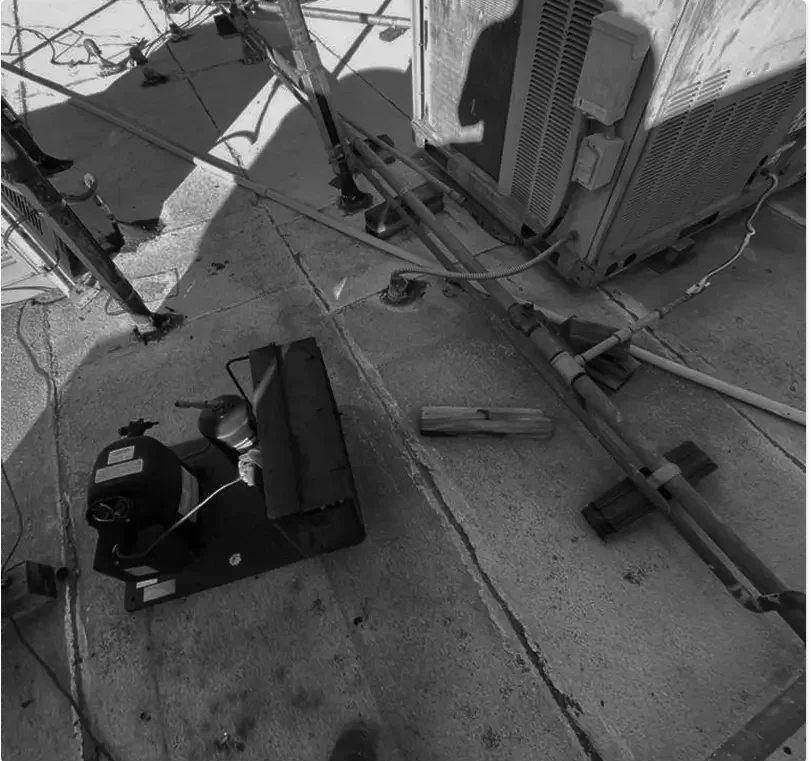
Manufacturer-backed. A2L-ready. Specified by application.
Type
Manufacturers
Best fit
Notes
Carrier, Trane, Lennox, York
Office, retail, industrial flat-roof commercial
Most common commercial replacement; A2L-compliant variants now standard
Daikin, LG, Mitsubishi, Samsung
Mixed-use, multi-zone, hospitality
High-efficiency, zone-controlled; A2L transition complete on current product
Carrier, Trane, Lennox, Bryant
Smaller commercial, single-zone
Specification by application
Honeywell, Belimo, ABB
Retrofit and energy recovery
Often part of Title 24 compliance retrofits and 179D-qualifying upgrades
- THE TAX STACK ON HVAC
Most commercial HVAC replacements pay 60–80% of the unit cost back through tax structuring.
“If the structuring is modeled before the contract closes. Most contractors don’t. We do, in coordination with your CPA.”
01
SECTION 179
Commercial HVAC equipment qualifies as Section 179 property under TCJA. Owners with sufficient business income can expense the full cost of qualifying equipment in the first year, up to the annual statutory cap. The first-year tax shield often offsets a meaningful portion of the project on its own.
02
179D DEDUCTION
The 179D deduction provides a per-square-foot deduction for commercial buildings that meet specific energy efficiency targets in HVAC, lighting, and envelope systems. Properly structured high-efficiency HVAC retrofits can qualify. The deduction was made permanent and expanded under the Inflation Reduction Act. We model 179D eligibility into the proposal where applicable.
03
MACRS COORDINATION
HVAC equipment depreciates under MACRS at varying recovery periods depending on classification and structuring. When HVAC is bundled with solar and roof, the depreciation schedules across the components are coordinated to maximize first-year tax shield. We model the combined schedule and document it for the client’s CPA.
04
UTILITY REBATES
Most utilities offer commercial HVAC efficiency rebates that materially offset retrofit cost — PG&E, SCE, SMUD, NV Energy, APS, and others. The incentive amounts are non-trivial but the application processes are non-trivial too. We capture the incentives as part of the project, not as an afterthought.
“We coordinate every HVAC structuring directly with the client’s CPA before the contract closes. The proposal is a financial document; we treat it as one.”
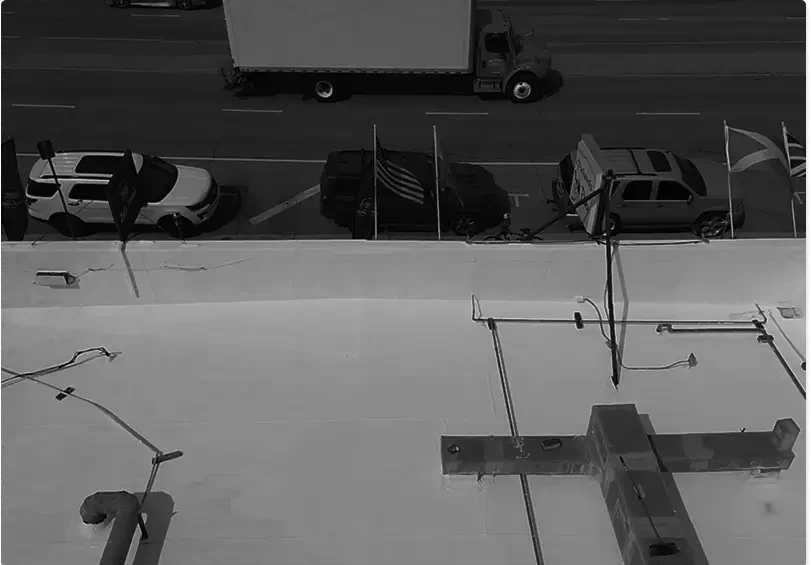
If you’re replacing the HVAC anyway, the bundled stack pays for itself.
When the HVAC system is at end-of-life and the roof is also aging or the property has solar potential, the bundled capital stack converts three separate capital expenditures into a single tax-advantaged infrastructure investment. Depreciation is coordinated across all three components, the financed payment is structured against modeled utility savings, and the entire scope runs on a single contract and a single schedule.
172 kW solar + 360 kWh battery + roof + HVAC
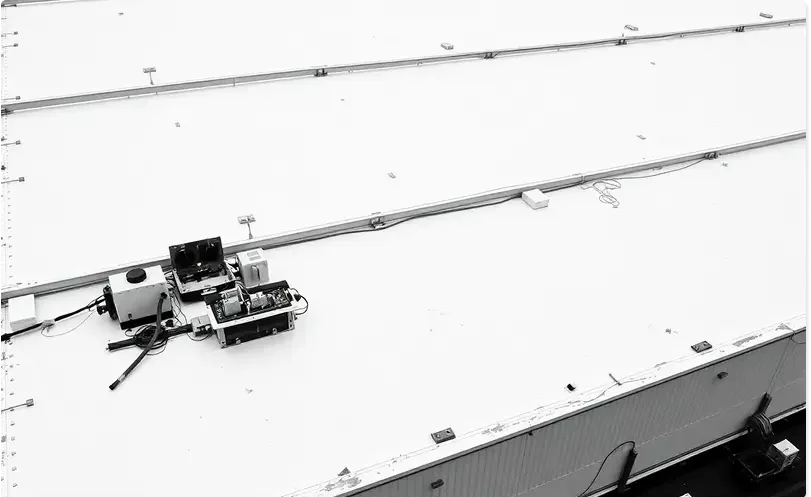
The HVAC equipment was set during the same window the roof was being addressed, with curb flashing detailed by the roofing crew. One contract. One schedule. No accountability gap. The financial structure around the project converted what would have been four separate capital expenditures into a single coordinated tax-advantaged investment.
Modeled tax shield
Annual NOI uplift
Solar installed
Battery storage
What owners ask before signing.
How do you size a commercial HVAC system?
Sizing begins with a Manual N or ASHRAE load calculation for the specific building — square footage, occupancy, envelope performance, and internal loads. We do not rely on rule-of-thumb sizing.
What manufacturers do you carry, and how do you decide which one fits?
We work with leading commercial HVAC manufacturers and recommend equipment based on building requirements, efficiency goals, budget, serviceability, and long-term operating costs rather than a one-size-fits-all approach.
Is your team certified for A2L refrigerants?
Yes. Our technicians receive ongoing training for A2L refrigerants and follow current safety, handling, installation, and commissioning requirements to ensure compliance and reliable system performance.
Can a HVAC replacement be financed under a UCC-1 structure?
Many commercial HVAC projects can be financed through equipment financing arrangements, including UCC-1 structures, depending on ownership, credit qualifications, and project scope.
How does Section 179 work on commercial HVAC for a property owner?
Section 179 may allow qualifying businesses to deduct eligible HVAC equipment costs in the year of installation, subject to current tax regulations and professional tax guidance.
How does Title 24 compliance affect the project budget?
Title 24 requirements can influence equipment selection, controls, documentation, and testing. Compliance planning early in the process helps manage costs and avoid unexpected revisions.
How do you handle roof penetrations and warranty coordination?
We coordinate roof penetrations with qualified roofing professionals and document all work to help maintain manufacturer warranties and protect the building envelope.
What is your warranty on installation, and what does manufacturer-witnessed commissioning include?
Installation warranties vary by project scope, while manufacturer-witnessed commissioning typically verifies startup procedures, operating performance, and compliance with equipment specifications.
- Start here
Tell us about the project.
Fifteen minutes of intake gives us enough to decide whether the project is a fit. We come back with a clear answer either way.