

Commercial Tax strategy
COMMERCIAL INFRASTRUCTURE TAX STRATEGY
The tax structure often changes the entire deal.
Federal incentives, permanent 100% bonus depreciation, accelerated depreciation schedules, and component-level asset treatment can dramatically alter project economics when structured correctly.
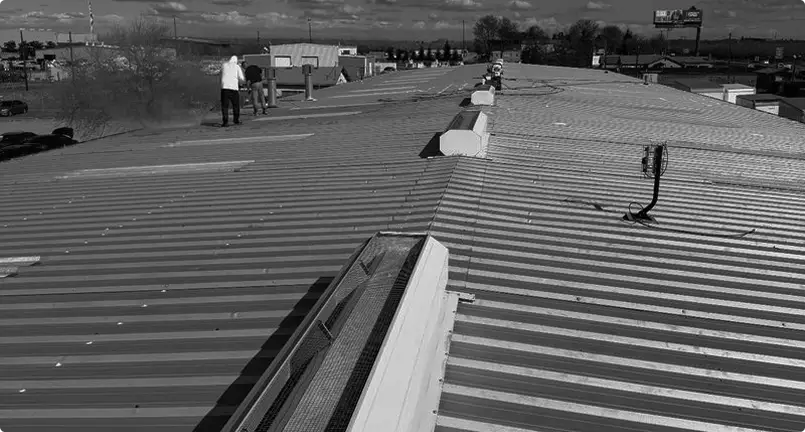

Permanent 100% bonus depreciation changes the timing of the return.
Under OBBBA, qualifying commercial infrastructure assets may be eligible for permanent 100% bonus depreciation.
Rather than spreading deductions over multiple years, ownership groups may be able to deduct a substantial portion of qualifying project costs in the first year the asset is placed into service.
The value is not simply the deduction itself.
The value is accelerating the deduction into the year capital is deployed, improving after-tax cash flow and reducing the effective cost of the investment.
The federal tax credit is only one layer of the capital stack.
The Federal Investment Tax Credit (ITC) allows qualifying solar and energy storage projects to generate a direct federal tax credit based on eligible project costs.
The strongest projects combine the ITC with bonus depreciation, accelerated depreciation schedules, utility savings, and financing optimization.
- Federal ITC: 30%
- Eligible Solar Basis: $1,000,000
- Tax Credit Value: $300,000
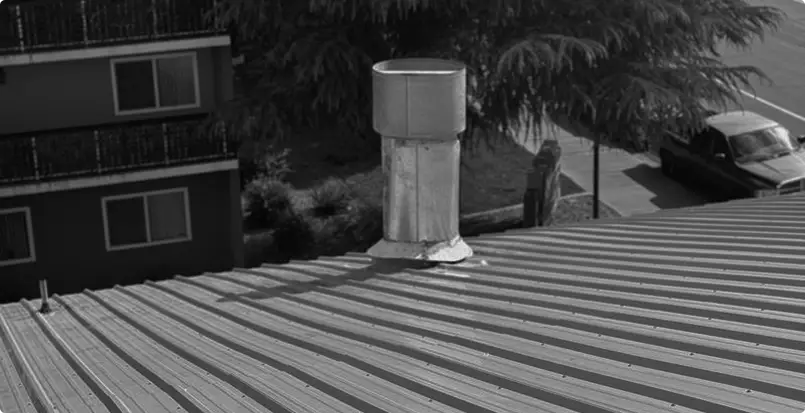
The three most common causes of solar underperformance
Aging components, environmental conditions, and equipment failures quietly reduce energy production, lowering savings and long-term system performance.
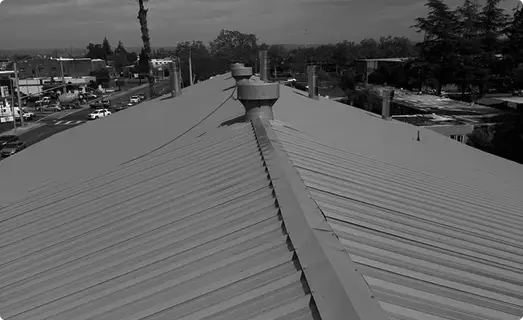
- 01
Commercial Roofing
Typical Schedule
Longer recovery periods depending on project structure and tax treatment.
- Manufacturing
- Distribution Centers
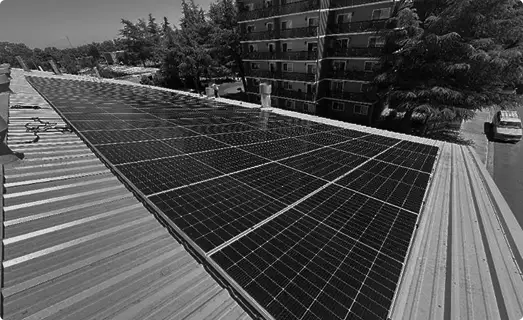
- 02
Commercial Solar
Typical Schedule
5-Year MACRS Depreciation Accelerates Tax Savings And Improves Cash Flow.
- Racking systems
- Electrical balance of system
- 03
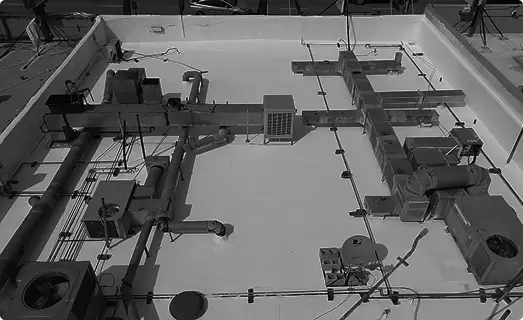
Commercial HVAC
Typical Schedule
Varies based on equipment type and ownership structure.
- VRF Systems
- Mechanical infrastructure
How a bundled project changes after-tax economics.
Example Asset
Anjaleoni Commercial Portfolio
Roofing + Solar Deployment
Gross Project Cost
$1,500,000
Federal ITC Basis
$1,000,000 Solar Portion
Federal ITC Value 30%
$300,000 Credit
First-Year Bonus Depreciation 100%
$1,350,000
Tax Savings Example
- Federal Tax Rate: 35%
- Estimated Tax Savings: $472,500
Depreciable Basis
$1,500,000
- Less 50% of ITC: $150k
- Adjusted Basis: $1,350k
Combined Immediate Value
- Federal ITC: $300,000
- Bonus Depreciation Tax Savings:$472,500
- Total Initial Value :$772,500
Utility Savings Layer
Projected Utility Savings (10 Years)
$425,000
Effective Economics
- Original Cost: $1,500,000
- Less Incentives & Tax Benefits: $772,500
- Less Utility Savings: $425,000
- Effective Long-Term Cost: $302,500
Federal strategy is only part of the analysis.
California owners, for example, often encounter additional rules regarding depreciation conformity, incentive treatment, and project accounting.
For ownership groups operating across multiple states, tax planning should incorporate both federal and state-level implications.
California Addendum:
For California-based projects, we coordinate directly with ownership groups and tax professionals to model state-specific treatment separately from federal assumptions.
Technical infrastructure meets technical tax planning.
Our role is providing project-level documentation, cost segregation support, engineering data, equipment allocation details, and financial modeling required for accurate tax planning.
CPA Partnership Program:
For CPAs structuring infrastructure projects for commercial clients, we provide direct support throughout project planning, engineering, documentation, and financial modeling.
- Start here
Before evaluating project cost, evaluate after-tax cost.
Commercial infrastructure projects should be analyzed through the lens of tax strategy, depreciation timing, financing structure, utility savings, and long-term asset performance.