
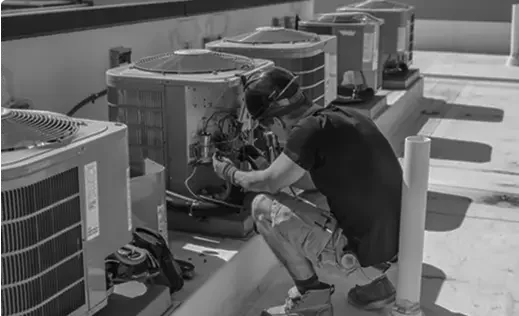
While many property owners focus on repair expenses when equipment begins to show signs of wear, the true cost of an outdated HVAC system often includes higher energy bills, increased maintenance demands, reduced reliability, and potential impacts on tenant satisfaction.
Understanding these hidden costs can help owners make informed decisions about repair, replacement, and long-term capital planning.
The Problem with Delaying HVAC Upgrades
Commercial HVAC systems work hard year-round to maintain comfortable indoor conditions. Over time, equipment naturally loses efficiency as components wear and technology becomes outdated.
Many owners continue operating aging systems as long as they remain functional. However, declining performance can create ongoing costs that accumulate long before a complete failure occurs.
A system that appears operational may already be costing significantly more than necessary.
Rising Energy Consumption Adds Up
One of the largest hidden expenses associated with aging HVAC equipment is increased energy usage.
Older systems often require more energy to deliver the same heating and cooling performance as newer equipment. As efficiency declines, utility expenses can continue rising year after year.
Maintenance Costs Increase Over Time
As HVAC equipment ages, repairs tend to become more frequent.


Taking a Proactive Approach
Waiting for complete HVAC failure often leads to rushed decisions and higher costs.
By evaluating system performance before major issues arise, property owners can plan upgrades strategically, minimize disruptions, and allocate capital more effectively.
A proactive HVAC strategy supports lower operating expenses, improved building performance, and stronger long-term asset value.
Our Process Includes:
- HVAC condition assessments
- Energy efficiency evaluations
- Indoor comfort performance reviews
- Repair versus replacement analysis
- Lifecycle cost planning
- Long-term capital improvement recommendations