
In reality, that is not always the most cost-effective approach. Depending on the roof’s condition, restoration coatings may provide a practical alternative that extends service life while preserving capital.
The key is understanding the lifecycle economics behind each option and determining which strategy delivers the greatest long-term value for the specific asset.
Understanding the Decision Beyond Initial Cost
Roofing decisions are often made based on immediate budget considerations. While upfront costs are important, they represent only one part of the overall financial picture.
A lifecycle approach evaluates how each option impacts future maintenance requirements, operational expenses, service life, and future capital needs. Looking beyond the initial investment helps property owners make more informed asset management decisions.
In many cases, the lowest-cost option today may not be the most economical solution over the life of the building.
Scenario One: Continue Repairs as Needed
Some property owners choose to address roofing issues through ongoing repairs without implementing a larger restoration or replacement strategy.
While this approach may appear economical in the short term, repeated repairs can gradually become more expensive as the roof continues to age. Maintenance costs often increase, leak risks become more frequent, and uncertainty surrounding roof performance grows over time.
For roofs approaching the end of their useful life, this strategy can sometimes result in the highest cumulative cost without delivering meaningful long-term value.
Scenario Two: Roof Restoration with Protective Coatings
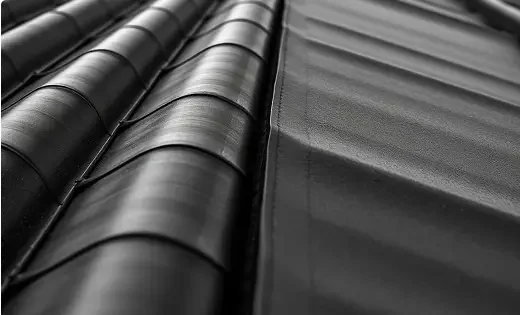
When the existing roof remains structurally sound, restoration coatings may offer a highly effective asset preservation solution.
Roof coatings are designed to protect the existing roofing system from further weathering while extending service life. Because the underlying roof remains in place, restoration projects typically require less material, less disruption, and lower capital investment compared to full replacement.
In many situations, coatings can provide years of additional performance while allowing owners to defer larger capital expenditures until a more strategic time.
This approach often delivers an attractive balance between cost control and long-term performance.


Scenario Three: Complete Tear-Off and Replacement
A full roof replacement may become necessary when structural deterioration, extensive moisture intrusion, or severe system failure makes restoration impractical.
Replacement provides a completely new roofing system and the opportunity to address underlying deficiencies that cannot be corrected through restoration alone.
While this option generally involves the highest upfront investment, it may be the most appropriate solution for roofs that have exceeded their serviceable condition.
The decision should be based on technical evaluation rather than assumptions about age alone.
Why Lifecycle Analysis Matters
The most effective roofing decisions are based on measurable asset data rather than reactive maintenance needs.
Making Data-Driven Roofing Decisions
Choosing between repairs, restoration, and replacement requires a clear understanding of both current conditions and future financial implications.
A comprehensive assessment can help owners determine when a coating truly outperforms a tear-off and when replacement becomes the more practical choice. By evaluating all available options through a lifecycle lens, commercial property owners can make decisions that support both asset performance and long-term financial goals.
Our Process Includes:
- Roof condition assessments
- Lifecycle cost analysis
- Repair versus restoration evaluations
- Tear-off and replacement planning
- Asset preservation strategies
- Long-term capital planning recommendations