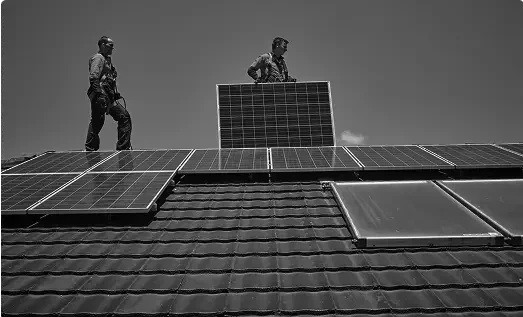


Roofing, solar, HVAC, lighting, and energy-efficiency improvements are often bundled together to maximize operational benefits and streamline project execution. However, property owners frequently seek financing structures that support these investments without creating additional encumbrances on the real estate itself.
One financing approach that often enters these discussions is UCC-1 secured financing. Understanding how this structure works can help property owners evaluate options that align with both project objectives and long-term asset management strategies.
Understanding UCC-1 Financing
A UCC-1 financing statement is commonly used to establish a lender’s security interest in specific assets associated with a financing arrangement. Rather than placing a traditional mortgage lien against the property, the financing may be secured by designated equipment or improvements associated with the project.
For commercial owners, this distinction can be important when evaluating capital improvement financing alternatives.
The structure may allow organizations to pursue infrastructure investments while preserving flexibility related to real estate ownership and future transactions.
Why Bundled Improvement Projects Are Growing
Commercial property owners increasingly pursue bundled projects because multiple building systems often reach upgrade cycles at similar times.


Protecting Real Estate Flexibility
One reason some owners explore UCC-1 financing structures is the desire to avoid additional encumbrances directly tied to the underlying real estate.
Real estate assets often serve multiple strategic purposes, including refinancing opportunities, acquisitions, dispositions, and portfolio management activities.
Maintaining flexibility can be an important consideration when evaluating financing alternatives for major infrastructure projects.
Each ownership structure is unique, making careful review and planning essential before selecting a financing strategy.
The Importance of Proper Project Structuring
Successful bundled projects require coordination between technical, operational, and financial stakeholders.
Aligning Financing With Long-Term Asset Strategy
Financing decisions should support broader asset management goals rather than being viewed as standalone transactions.
Whether a project focuses on energy savings, infrastructure modernization, sustainability initiatives, or facility performance improvements, financing should complement the long-term strategy for the property.
By considering both operational outcomes and ownership objectives, property owners can develop solutions that support future growth while maintaining flexibility.
Our Process Includes:
- Bundled project planning and evaluation
- Infrastructure improvement assessments
- Solar, roofing, and HVAC integration reviews
- Financing structure coordination
- Long-term capital planning support
- Asset preservation and modernization strategies