
Many commercial property owners postpone infrastructure improvements to avoid immediate expenses. While this may seem financially prudent in the short term, delaying necessary upgrades often results in higher repair costs, increased operational inefficiencies, and missed opportunities for long-term savings.
A proactive improvement strategy helps property owners preserve asset value, reduce unexpected expenses, and maintain a safer, more efficient environment for tenants and employees.
Why Delaying Upgrades Becomes Expensive
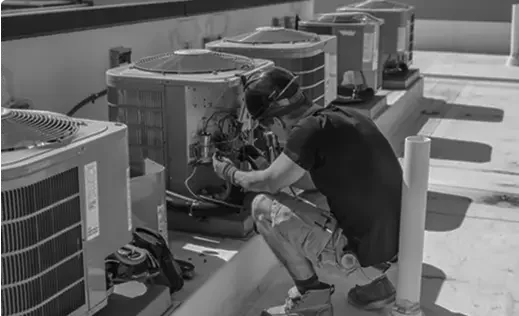
Commercial buildings rely on interconnected systems that age over time. Roofing, HVAC equipment, electrical systems, and building envelopes all experience wear that can gradually impact performance.
Small issues that go unaddressed frequently develop into larger, more expensive problems. What begins as a minor repair may eventually require a full system replacement if action is delayed too long.
Hidden Costs Property Owners Often Overlook
The direct repair bill is only one part of the equation. Aging infrastructure can create several hidden costs that affect overall building performance.
Infrastructure Improvements Support Operational Efficiency
Modern building systems are designed to operate more efficiently than older equipment. Upgrades can help reduce utility expenses, improve reliability, and minimize maintenance requirements.
Whether replacing outdated HVAC equipment, upgrading roofing systems, or improving insulation, strategic improvements often provide measurable operational benefits that continue for years.
Capital Planning Creates Better Financial Outcomes
Waiting until systems fail leaves little room for budgeting or strategic decision-making. Emergency replacements often come with accelerated timelines, higher labor costs, and limited contractor availability.
The Impact on Property Value
Well-maintained infrastructure contributes directly to property value. Buyers, lenders, and tenants typically view updated systems as a sign of responsible asset management.


Why Acting Early Delivers Better Results
The most cost-effective improvements are often made before a system reaches failure. Addressing issues early allows property owners to choose the best solution rather than reacting under pressure.
A proactive infrastructure strategy protects building performance, supports long-term financial goals, and helps avoid the escalating costs associated with deferred maintenance.
Our Process Includes:
- Infrastructure condition assessments
- Capital improvement planning
- Energy efficiency recommendations
- Lifecycle cost evaluations
- Repair versus replacement analysis
- Long-term asset preservation strategies