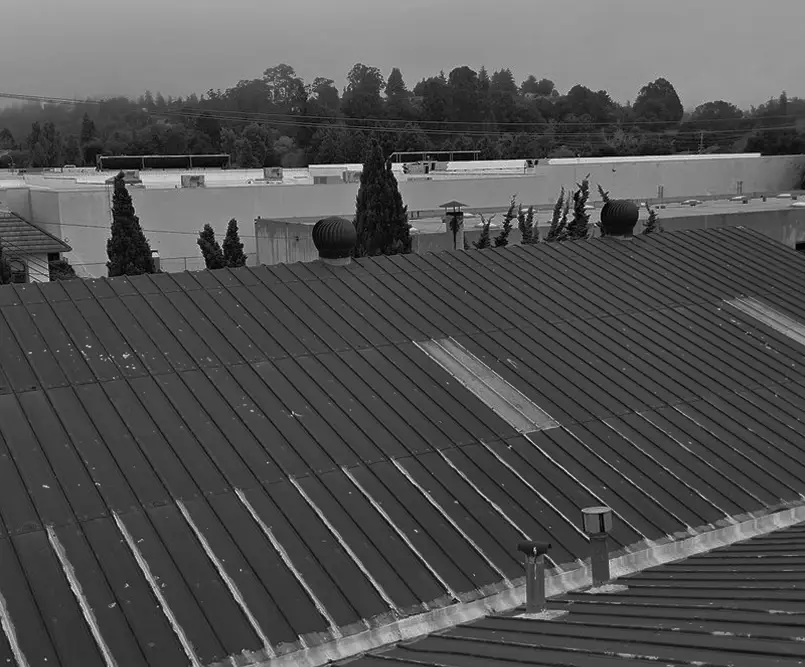
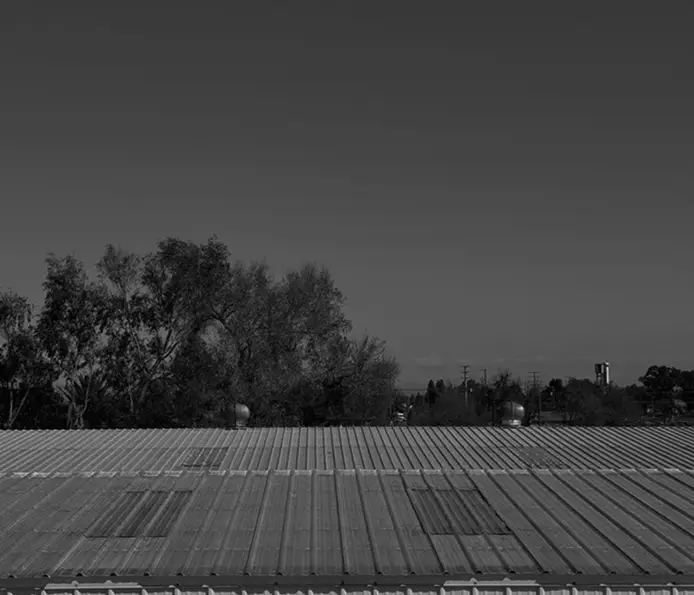
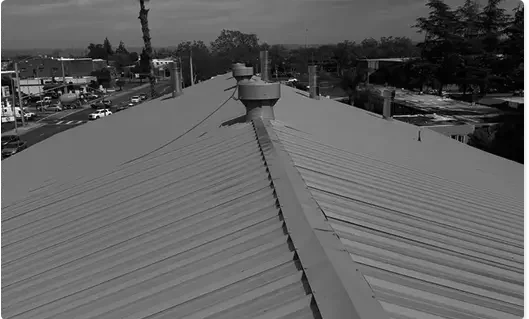
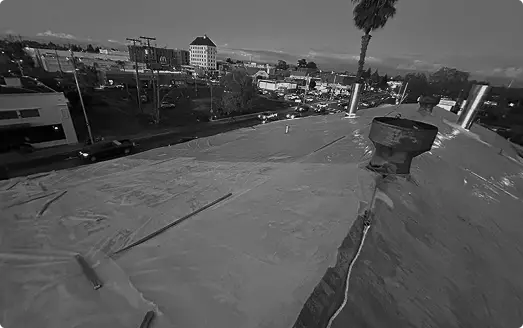
Principal-led. Our principals have led 350+ commercial projects across the western United States.

Roof Replacement

COMMERCIAL ROOF REPLACEMENT

Specification-grade roof replacement for assets that cannot afford failure.

TPO, EPDM, modified bitumen, BUR, and metal roof replacement engineered around the building, the warranty, and the long-term operating cost of the asset.

COMMERCIAL ROOF REPLACEMENT

We replace the roof when replacement is the right answer.

A full roof replacement is not always the most profitable recommendation for the client — but it is sometimes the only responsible one.

We recommend replacement when the existing system has reached the end of its service life, when wet insulation has compromised the assembly, when the deck requires correction, or when a coating would only delay a failure that should be addressed now.

Before we specify a tear-off, recover, or full replacement, we verify the existing roof condition, substrate moisture, drainage performance, insulation value, fastening requirements, and warranty objectives. The goal is not to sell the largest scope. The goal is to protect the asset.

Commercial replacement systems specified to the building.

System

Best fit

Technical Notes

Notes

TPO (thermoplastic)

Warehouses, distribution, large flat roofs

60-mil or 80-mil membrane, mechanically attached or fully adhered, insulation package

20–30 years

EPDM (rubber)

Office, mixed-use, long-life flat roofs

Rubber membrane system with strong weathering performance and flexible detailing

20–30 years

Modified bitumen

Retail, multi-tenant, service-heavy roofs

Multi-ply asphalt-based system for durable traffic and complex roof conditions

20–30 years

Built-up roofing (BUR)

Legacy commercial buildings

Built-up layered system used where redundancy and proven performance matter

20–30 years

Metal (standing seam)

Industrial, agricultural, pitched commercial roofs

Standing seam or panel replacement with flashing, trim, and penetration detailing

System-dependent

Built to manufacturer specification, not field habit.

Commercial roof failure usually starts in the details: fasteners, seams, drains, penetrations, curbs, flashing, and documentation.

01

Substrate & deck verification

Project profile, building data, capital objectives.

02

Insulation & R-value Planning

Optimize insulation for performance, compliance, and operating costs.

03

Fastening & Attachment Patterns

Plan attachment methods and uplift requirements before installation.

04

Drainage & Slope Correction

Correct drainage issues to improve roof performance and lifespan.

05

Penetration & Flashing Control

Protect critical roof penetrations with proper flashing details.

06

Warranty Closeout

Complete inspections, documentation, and warranty registration requirements.

Replacement work documented before, during, and after.

Every project is photographed and tracked so owners, PM teams, and portfolio stakeholders can see what was replaced, why it was specified, and how it was completed.

Industrial Distribution Facility

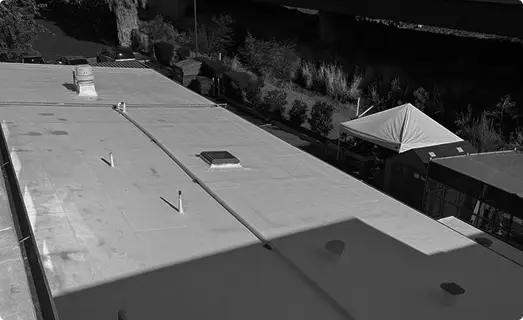
Full TPO replacement with upgraded insulation and manufacturer-backed warranty.

Outcome: Improved roof performance, cleaner drainage, and documented warranty closeout.

Multi-Tenant Retail Center

Modified bitumen replacement across high-traffic service areas and tenant penetrations.

Outcome: Stronger detailing around rooftop equipment and reduced leak exposure.

Commercial Metal Roof Asset

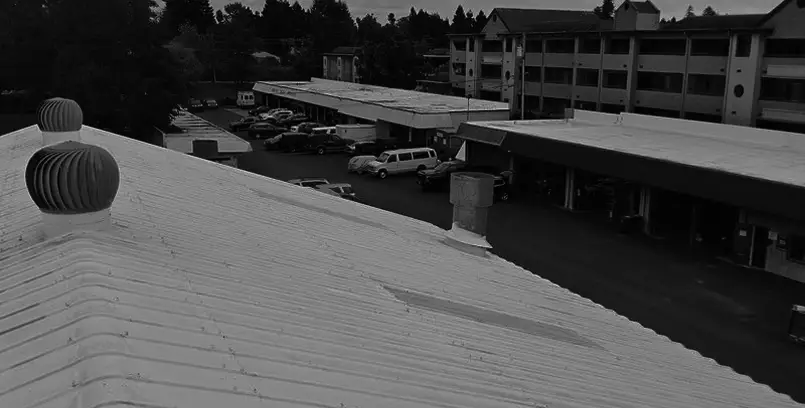
Metal roof replacement with new panels, trim, flashing, and penetration detailing.

Outcome: Longer service life and improved building envelope protection.

Replacement is not always required. We will tell you when it is.

A coating can be the better capital decision when the roof is structurally sound and dry. But when the assembly has failed, replacement protects the building, the tenants, and the long-term value of the asset.

Condition

Coating May Be Right

Replacement Is Recommended

Existing roof structure

Sound

Compromised or failing

Insulation

Dry

Wet or saturated

Substrate

Stable

Deteriorated

Deck

Clean and serviceable

Contaminated or damaged

Lifecycle goal

Extend usable life

Reset full roof assembly

Budget objective

Lower installed cost

Long-term asset correction

Questions we hear before a replacement.

How do you decide if a roof needs replacement?

We verify roof age, membrane condition, substrate moisture, insulation performance, drainage, deck condition.

We work with leading roofing manufacturers and offer warranty options that can cover both materials and workmanship, depending on the system selected for your project.

Most commercial roofing projects are completed within two to six weeks, though timelines can vary based on building size, weather conditions, and project complexity.

Yes, our team manages the entire permitting process and coordinates all required inspections to ensure your project remains compliant with local regulations.

Find out whether replacement is actually the right move.

Send us the building size, roof type, age, and known issues. We will tell you whether the asset needs replacement, restoration, or a more targeted scope.