
Principal-led. Our principals have led 350+ commercial projects across the western United States.
Most commercial solar proposals look strong in PowerPoint. Few survive Energy Toolbase. We will tell you which yours is — at no cost, before you sign anything.
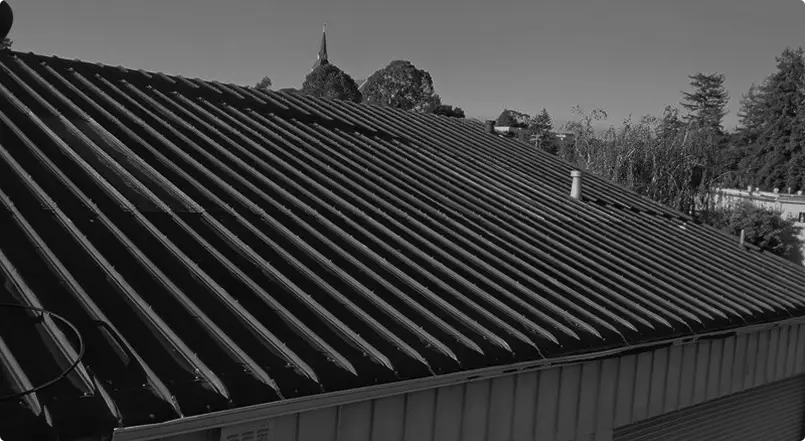
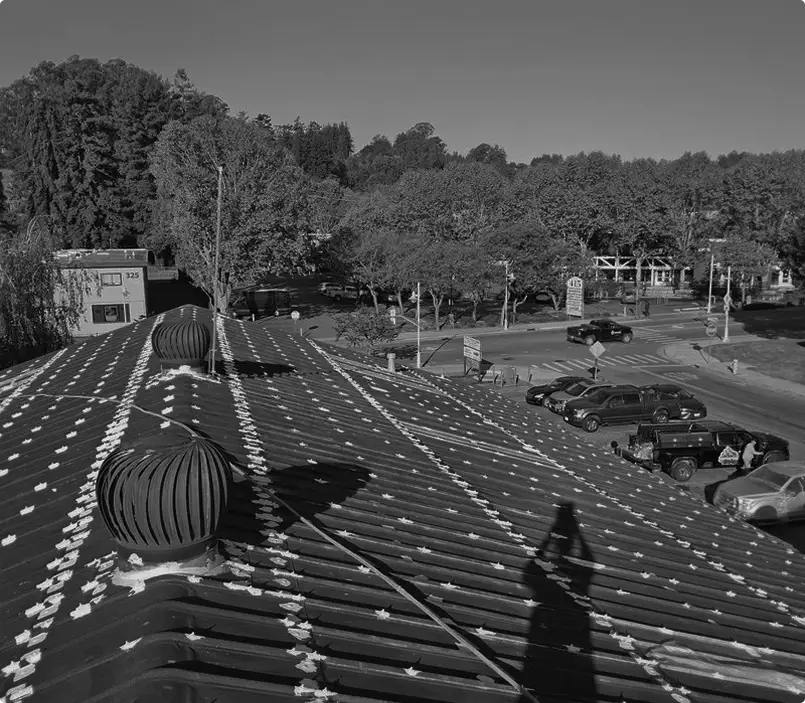
Commercial solar proposals are often modeled in residential-leaning software. Those tools are excellent for the work they were built for, but they were not built for commercial tariff modeling, lender-grade financial structuring, or the depth of underwriting validation that commercial deals actually require. Commercial proposals run through them frequently overstate generation, understate component degradation, and assume financing structures that won’t survive lender underwriting.
When the same proposal is run through Energy Toolbase — the platform commercial lenders use for their own underwriting — the modeled outcomes can shift materially. Sometimes the changes are small. Often, the change in modeled NPV, payback period, or first-year tax shield is large enough to change the decision the owner is about to make.
We do this analysis at no cost. The objective is not to win your business by undercutting a competitor. It is to make sure that whatever system you ultimately install is one that performs as promised. If your competitor’s bid holds up under commercial-grade modeling, we tell you. If it doesn’t, you know before you sign.
Oversized systems, underperforming components, and improper financing structures can significantly reduce project performance and long-term returns.
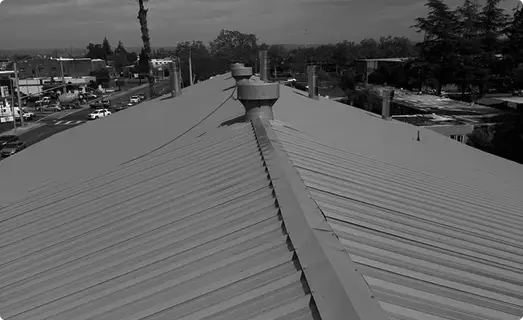
Oversized by Default
Sized to building square footage, not to actual commercial load.
Commercial buildings have load profiles residential modeling does not capture. The result is oversized systems that hit NEM 3.0 export caps and throttle real production well below the modeled output. The bid promises 1.2 MW of useful generation; the system actually delivers 850 kW of useful output once the export cap clamps.
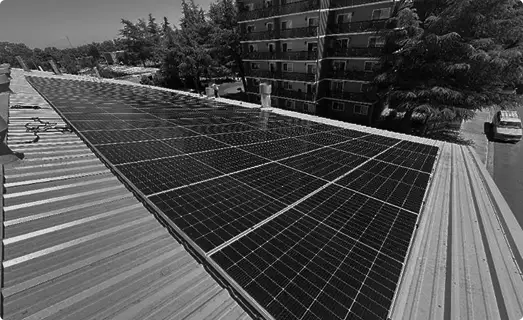
Underspec’d Components
Residential-grade components in commercial duty cycles.
Inverters sized to peak DC nameplate rather than continuous AC throughput. Combiner boxes specified for residential current loads. Modules from manufacturers not on the BloombergNEF Tier 1 list. Result: degraded performance and accelerated component failure within five to seven years — well before modeled payback.
Financing Gap
Consumer-credit framings on commercial deals.
Bids modeled with consumer solar loans rather than UCC-1 commercial structures. The financing assumed in the proposal does not survive commercial underwriting. The bid wins the signature; the funding never closes; the project stalls. We see this often enough to call it a category.
The deliverable is a 6–12 page comparative report with side-by-side production modeling (the bid’s output vs. our verified output), side-by-side financial modeling (savings, payback, IRR, tax shield), notes on component specification gaps, notes on financing structure validity, and our written recommendation.
The report is yours. You can take it to your CPA, your lender, your competitor, or your board. We do not require a return engagement. If after reading it you decide to proceed with the original installer, we recommend that you do.
If the gap is large enough that you would prefer Capstone build the system, we issue a corresponding proposal at standard commercial rates. We do not undercut a competitor on price. We will price the system that performs.
Bid submission
Upload the competing proposal, modeled production output, and financing structure — same day
Site verification
Brief site visit (1–2 hours) to verify roof condition, electrical capacity, and shading conditions assumed in the bid — 1 week
Engagement structure
Independent modeling in commercial-grade software with verified inputs — 1–2 weeks
First engagement
Documented side-by-side report delivered with our recommendation — 1 week
Before you commit to a roofing, solar, or HVAC project, let our team review the proposal through the lens of scope, pricing, risk, warranty coverage, and long-term asset performance.
Our review helps owners identify hidden costs, specification gaps, financing implications, and alternative strategies before signing a contract.
Typically completed and delivered within 3–5 business days after submission.
We work with leading roofing manufacturers and offer warranty options that can cover both materials and workmanship, depending on the system selected for your project.
Most commercial roofing projects are completed within two to six weeks, though timelines can vary based on building size, weather conditions, and project complexity.
Yes, our team manages the entire permitting process and coordinates all required inspections to ensure your project remains compliant with local regulations.
Absolutely. We regularly coordinate roofing work with solar and HVAC contractors to streamline scheduling, reduce disruptions, and maximize project efficiency.
One business day to acknowledge. One week to verify. Two weeks to model. We come back with the math — and our recommendation, even if it isn’t us.