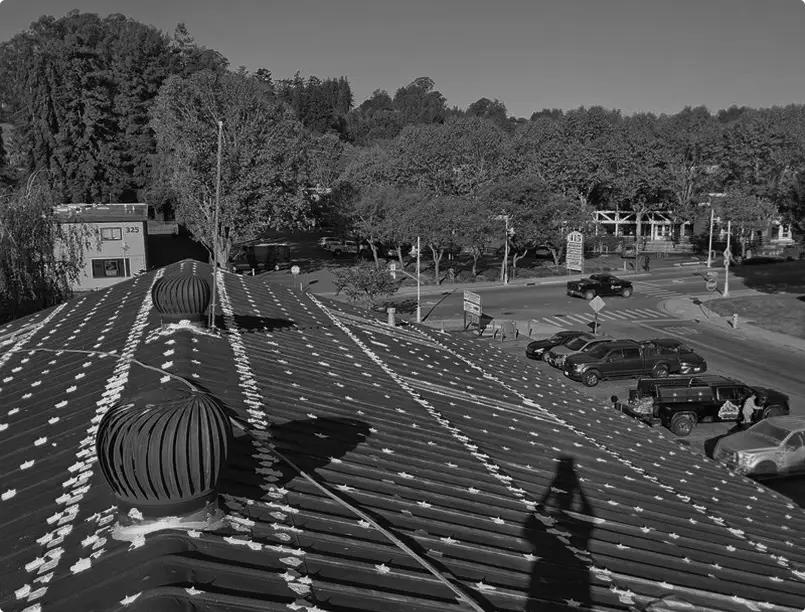
Principal-led. Our principals have led 350+ commercial projects across the western United States.

Commercial Noi Asset Value

NOI UPLIFT & ASSET VALUE CREATION

Infrastructure is not an expense. It's an NOI strategy.

When utility expense reductions are properly captured through lease structures, the savings can become retained landlord NOI, increase asset value through cap-rate compression, and improve refinance capacity.

Utility savings only create asset value when they are captured.

Reducing utility expense is the first step. Capturing that reduction at the ownership level is where value is created.

For many commercial assets, utility costs are passed through to tenants under lease agreements. If energy savings are not contractually retained by ownership, the economic benefit may never improve NOI.

Traditional Scenario

Tenant utility expense decreases. Tenant benefits. Owner NOI remains unchanged.

Structured Pass-Through Scenario

Energy savings are contractually retained or partially retained through lease provisions. Owner captures the economic benefit. NOI improves. Asset value increases.

NOI UPLIFT & ASSET VALUE CREATION

Small improvements in NOI can create substantial increases in asset value.

Commercial real estate is frequently valued using capitalization rates. When NOI increases, asset value often increases as well.

Example

Annual NOI Increase : $79,420

Market Cap Rate : 5.5%

Asset Value Calculation

$79,420 ÷ 0.055 = $1,444,000

Estimated Asset Value Creation

Valley fitness portfolio.

How operational savings become asset value.

Annual Utility Savings

$79,420

Retained NOI

$79,420

Asset Value Increase : $1,444,000

Based On 5.5% Cap Rate

Refinance Capacity : $1,010,800

Based On 70% LTV

Asset Profile

Commercial Fitness Portfolio, Multiple Locations, Owner-Controlled Utility Strategy

Infrastructure Investment

Roof + Solar Deployment

Strategic Outcome

The project reduced operating expenses while simultaneously strengthening property value and borrowing capacity.

NOI UPLIFT & ASSET VALUE CREATION

Asset value can create borrowing capacity.

Lenders generally evaluate commercial assets based on value and leverage ratios. When asset value increases, refinance capacity often increases as well.

Continuing Example

Asset Value Increase : $1,444,000

Typical LTV : 70%

Additional Borrowing Capacity

$1,444,000 × 70% = $1,010,800

Potential Refinance Capacity

Underwriters rarely focus on the equipment.

They focus on the cash flow. Commercial lenders generally evaluate

Net Operating Income

Can the asset support debt obligations?

Expense Stability

Can operating costs remain controlled?

Debt Service Coverage

How resilient is the property’s income stream?

Asset Value

How strong is the collateral position?

Occupancy & Tenant Quality

How predictable is future revenue?

Why Energy Infrastructure Matters

The lender may never care about the solar system itself.

Before evaluating project cost, evaluate asset value creation.

Commercial infrastructure should be analyzed through the lens of NOI growth, valuation impact, refinance flexibility, and long-term ownership strategy.