

Solar Rooftop
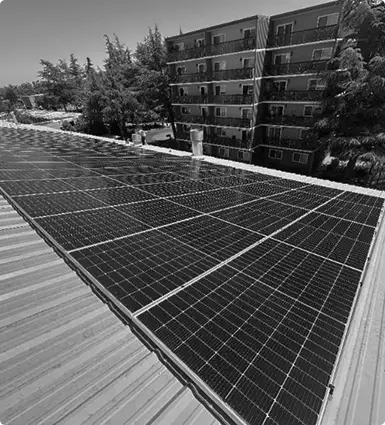
COMMERCIAL ROOFTOP SOLAR
Rooftop solar engineered for commercial asset performance.
From 30 kW rooftop systems to 1.5 MW commercial deployments. Structural engineering, utility interconnection management, manufacturer-backed equipment.
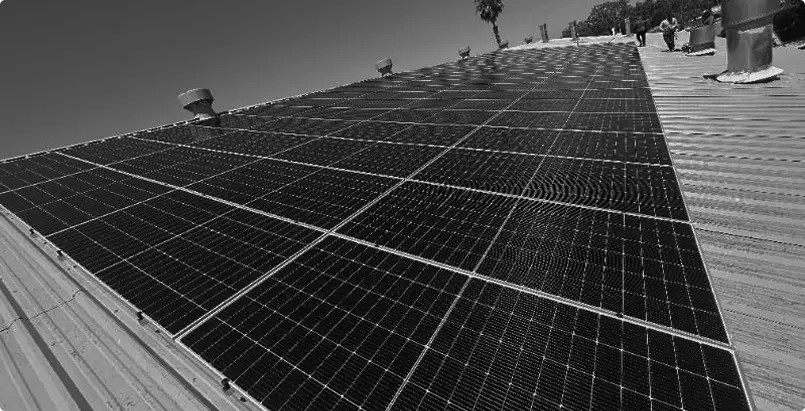
Three questions determine whether rooftop solar makes sense.
Roof Load Capacity
Can the structure safely support the proposed solar array? Our team reviews structural drawings, roof conditions, attachment methods, and available loading capacity.
Electrical Capacity
Can the building accommodate the proposed system? We evaluate service size, switchgear condition, panel capacity, and future expansion requirements.
Utility Interconnection
Can the utility accept the proposed generation? Interconnection constraints often determine project economics before equipment selection begins.
The right answer for the building starts with engineering—not a solar proposal.
Warranty-backed restoration systems.
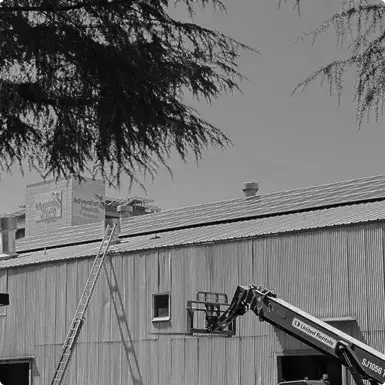
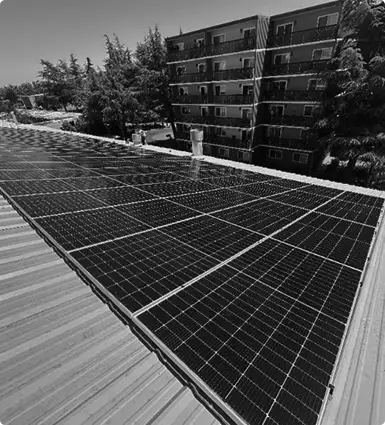
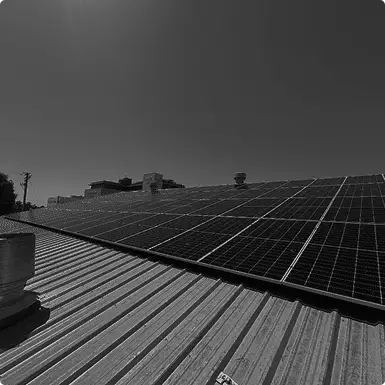
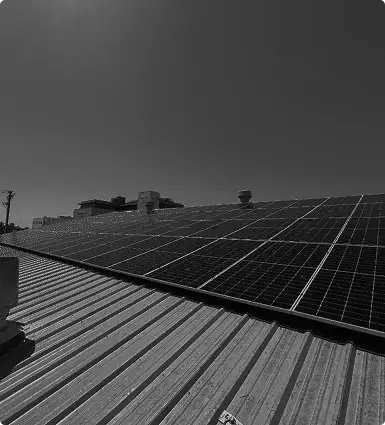
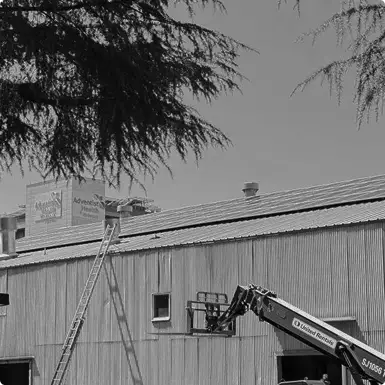
Every project is photographed and tracked so owners, PM teams, and portfolio stakeholders can see what was replaced, why it was specified, and how it was completed.
Component
Manufacturers
Best Fit
LONGi, JinkoSolar, REC
Commercial rooftop deployments
SolarEdge, Enphase, SMA
High-efficiency commercial systems
Unirac, IronRidge, K2
Flat and pitched commercial roofs
Enphase Enlighten, SolarEdge Monitoring
Portfolio-level visibility
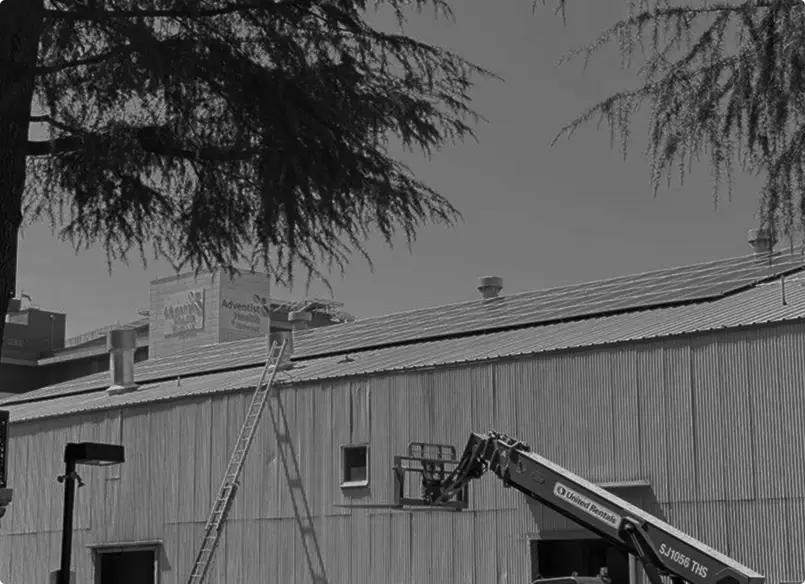
Your roof already occupies the space. Put it to work.
Most commercial roofs represent unused infrastructure.
A rooftop solar system converts that existing surface into a productive asset capable of generating operating savings for decades.
- Reduced utility expense
- Increased operating margin
- Improved asset valuation
- Federal tax incentives
- Long-term utility cost protection
- Improved portfolio performance
Rooftop systems deployed across commercial asset types.
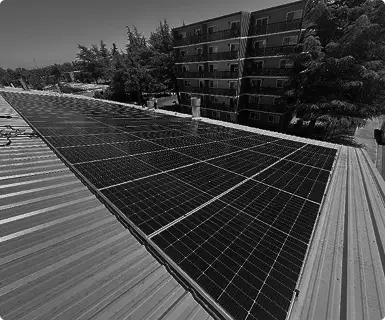
Industrial Facilities
Large roof footprints with significant utility demand.
Distribution & Logistics
High daytime consumption profiles.
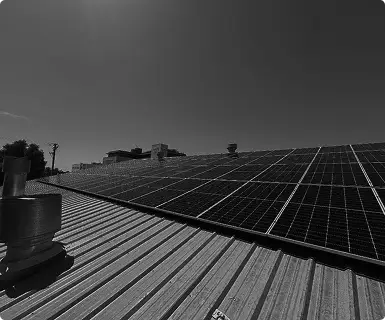
Retail Centers
Common-area reduction and tenant support.
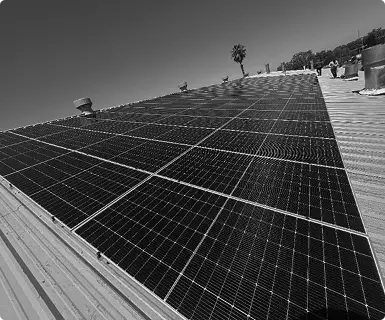
Office Buildings
Long-term operating expense reduction.
Sometimes the roof and the solar project should happen together.
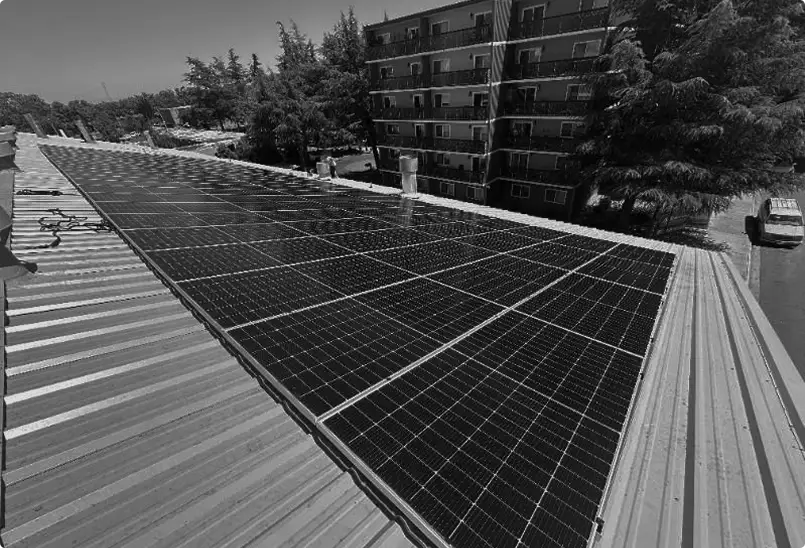
If a roof is approaching end-of-life, installing solar first often creates unnecessary future costs.
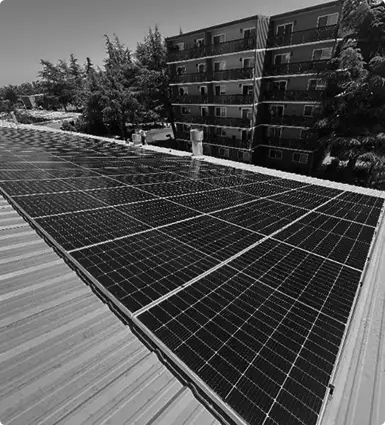
In those situations, Capstone evaluates roofing and solar as a single capital project.
- Single mobilization
- Coordinated construction schedule
- Reduced lifecycle disruption
- Improved financing structure
- Federal incentive coordination
- Long-term asset planning
What owners ask before signing.
How much land is required for a ground-mount system?
Land requirements depend on system size, panel configuration, setbacks, and local regulations. Site feasibility analysis determines the exact footprint required.
What is the difference between fixed-tilt and tracker systems?
We work with leading roofing manufacturers and offer warranty options that can cover both materials and workmanship, depending on the system selected for your project.
Can parking lots support solar installations?
Most commercial roofing projects are completed within two to six weeks, though timelines can vary based on building size, weather conditions, and project complexity.
How long does utility interconnection take?
Yes, our team manages the entire permitting process and coordinates all required inspections to ensure your project remains compliant with local regulations.
Is ground-mount solar better than rooftop solar?
Yes, our team manages the entire permitting process and coordinates all required inspections to ensure your project remains compliant with local regulations.
- Start here
Find out whether your property qualifies for ground-mount solar.
We’ll evaluate site feasibility, system sizing opportunities, utility requirements, and projected financial performance before recommending a deployment strategy.