
Principal-led. Our principals have led 350+ commercial projects across the western United States.
From 35-kilowatt rooftop systems to 1.6-megawatt portfolio deployments. Every project engineered with the federal ITC, depreciation schedule, and lease pass-through modeled before it leaves the proposal stage.
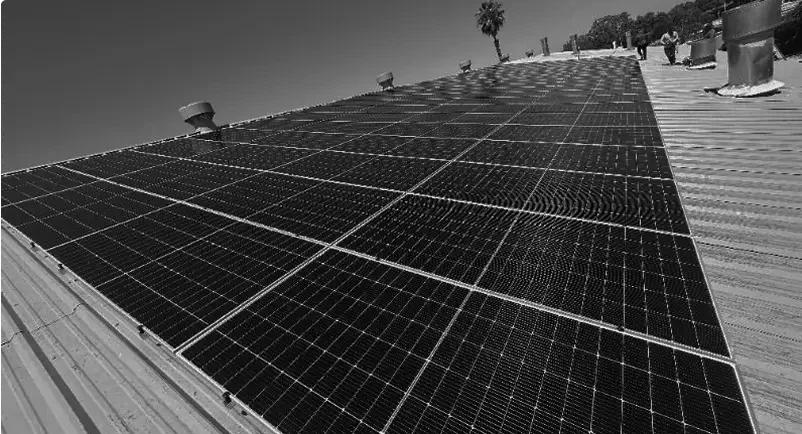
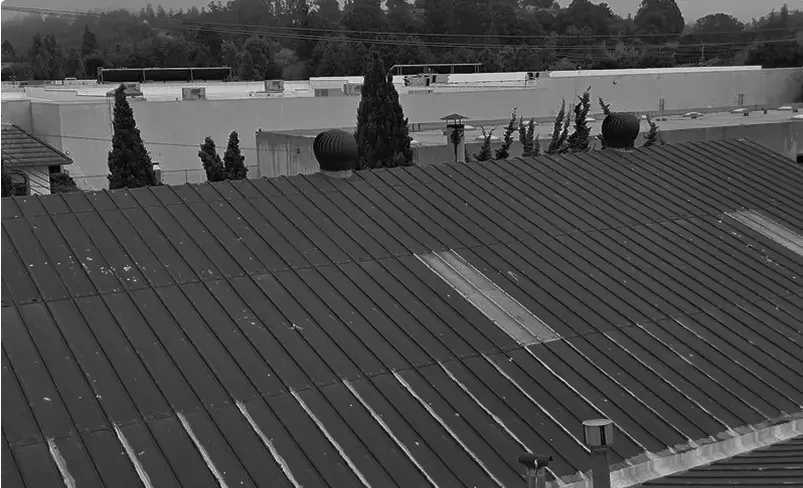
Most commercial solar proposals lead with watts installed and dollars saved on the utility bill. We lead with what the system does to the balance sheet—because for a commercial owner, that is the decision actually being made.
We model federal ITC, the OBBBA-era 100% bonus depreciation, lease pass-through to retained landlord NOI, asset value creation at the property’s cap rate, and refinance capacity at typical lender LTVs. The kilowatt-hours and the carbon offsets are real, but they are not the lead.
When the deal closes, the building has converted an unavoidable operating expense into appreciating, refinanceable, tax-advantaged infrastructure. That is the deliverable.
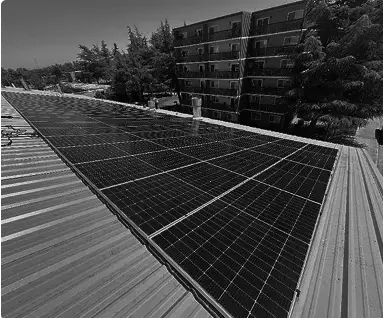
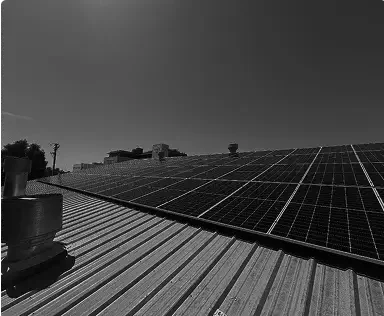
30 kW – 1.5 MW DC
Existing commercial buildings with available roof load capacity
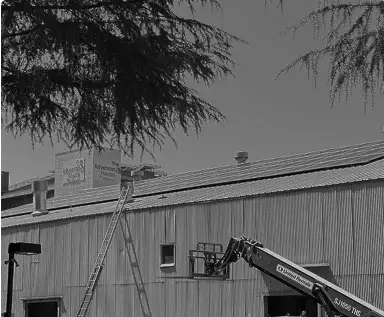
100 kW – 5 MW DC
Properties with available land or parking; multi-building portfolios
50 kWh – 2 MWh
Demand-charge optimization, resilience, NEM 3.0 export management
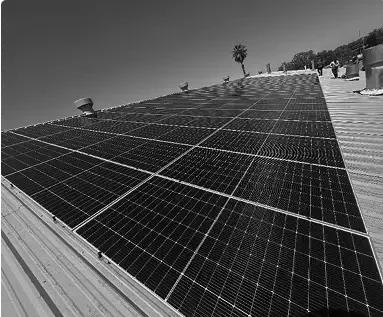
50 kW – 2 MW DC arrays
Aging systems (10+ years) with degraded panels, failing inverters, or underperforming
“Getting components, modeling, and underwriting wrong on a building that is nothing like a house.”
Commercial solar requires a different set of decisions than smaller-scale work. Components specified into commercial duty cycles. Modeling done in software the lender will accept. Inverter sizing matched to the building’s actual tariff and demand-charge structure. NEM 3.0 export-cap modeling documented to underwriting standard. Engineering and structural reviews appropriate to a commercial roof and commercial roof manufacturer warranties. Capstone’s solar division was built around those requirements from day one.
When these decisions are made well, the system performs against the proposal for thirty years. When they are made poorly, the system underperforms within three. The owner finds out when the savings stack reverses, the modeled payback never arrives, and the installer is no longer reachable. The public record on solar industry bankruptcies of the 2022–2024 cycle tells that story across hundreds of commercial buildings nationwide.
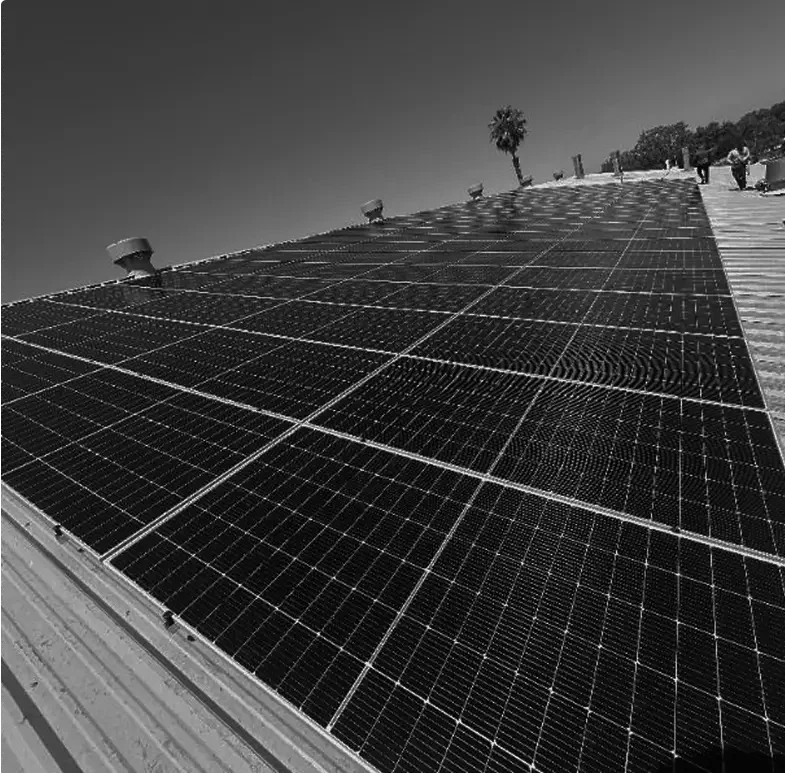
What makes our work durable is the combination underneath the proposal: BloombergNEF Tier 1 modules, commercial-grade inverters from manufacturers our lenders pre-approve, modeling done in Energy Toolbase — the platform commercial lenders use for underwriting — and engineering teams who have built systems from 60 kilowatts to 1.6 megawatts and understand what changes at each scale. The proposal we sign is the system you get, modeled to a standard that will hold up at refinance.
"We will lose the deal before we will build a system that doesn't perform. We have. The integrity of the proposal is what carries the brand."
Most commercial solar projects on this site are financed under a 20-year UCC-1 equipment loan. The equipment serves as collateral; the real estate is preserved from any new lien. The structure is straightforward, lender-familiar, and faster to close than a real-estate-collateralized facility.
The financed payment is structured against modeled utility savings. In most deals we close, the federal ITC and accelerated depreciation cover the early-years payment delta entirely — often producing positive cash flow by year three or four after tax effects.
We do not broker financing. We bring the lender relationship to the deal, model the structure ourselves, and present the math at boardroom grade before we ask for a signature.
One Big Beautiful Bill Act provisions restore 100% first-year bonus depreciation on qualifying property — permanently. For commercial solar, this materially compresses payback periods, increases first-year tax shield, and changes the structuring math on every deal we model.
Directional sizing, ITC, depreciation, and IRR — the same inputs we walk into the principal-led survey with.
Estimated system: 132 kW DC
Scope :- 35 kW solar + 50 kWh battery + roof
System :- Bundled solar + storage + roof
Delivery :- Single contract, single schedule
Outcome :- Full tax-modeled capital stack
Scope :- 1.6 MW DC + 1.03 MWh storage
System :- Industrial rooftop + battery
Delivery :- Full design-through-commissioning
Outcome :- Largest current portfolio deployment
Scope :- 180 kW solar + 180 kWh battery
System :- Owner-operator solar + storage
Delivery :- Single contract, single team
Outcome :- Bundled capital-stack structuring
Scope :- 172 kW solar + 360 kWh + roof + HVAC
System :- Full bundled stack across four trades
Delivery :- Single contract, coordinated schedule
Outcome :- Tax-structured infrastructure invest
Commercial-use solar property placed in service generally qualifies for the 30% Investment Tax Credit, with adders available for domestic content, energy communities, and low-income siting.
Recent tax legislation may allow businesses to accelerate depreciation benefits for qualified solar assets, improving early-year cash flow and project returns. Eligibility depends on project timing and tax circumstances.
NEM 3.0 places greater value on on-site energy consumption and battery storage. Systems are typically sized to maximize self-consumption rather than exporting excess energy to the grid.
A UCC-1 filing is a standard notice used by lenders to secure their interest in financed equipment. It does not transfer property ownership and is typically removed once financing obligations are satisfied.
Yes. Depending on lease structures and utility billing arrangements, property owners can share energy savings with tenants while maintaining attractive returns on the solar investment.
System sizing is based on historical electricity usage, utility rates, available roof or ground space, energy goals, and applicable regulations to achieve the best financial outcome.
We work with leading Tier-1 solar panel and inverter manufacturers known for performance, reliability, strong warranties, and long-term product support.
The system includes remote monitoring that tracks energy production, identifies performance issues, and provides ongoing reporting to ensure the system operates as expected.
Fifteen minutes of intake gives us enough to decide whether the project is a fit. We come back with a clear answer either way.